



DETOXIFYING THE BODY DETOX WATER IS KEY TO DRAINING AND REBALANCING
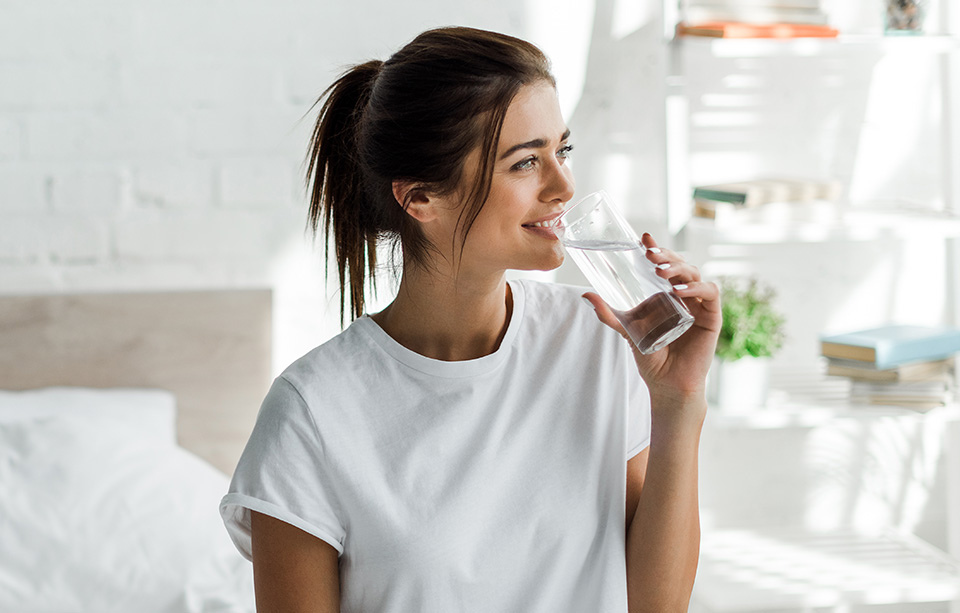
Water is our main ally to keep a well-balanced, healthy body, since it carries out excess liquids and toxins.
Boosting the detox effects of water can be useful, especially in those times of the year when you feel more tired and stressed out. Toxins building up in the body can affect the functionality of the excretory organs, that is, the systems in our body that allow to dispose of waste. Toxins can also impact on how we look, since our skin and hair reflect and show our health state.
Boosting the detox effects of water can be useful, especially in those times of the year when you feel more tired and stressed out. Toxins building up in the body can affect the functionality of the excretory organs, that is, the systems in our body that allow to dispose of waste. Toxins can also impact on how we look, since our skin and hair reflect and show our health state.
WHY IT IS IMPORTANT TO ELIMINATE TOXINS FROM OUR BODY
Getting rid of toxins is very important to purify the body and restore a general state of psycho-physical well-being. The human body produces a large amount of toxins every day, waste products deriving from endogenous processes and exogenous sources. Fortunately, our excretory organs work to neutralise and carry out toxins.
The main excretory organs, key to avoiding the buildup of toxins, are:
- the kidneys
- the liver
- the intestine.
Regular detox cycles, to be performed at season change for instance, are key to keeping these important organs efficient and therefore to counteract the buildup of toxins in our body. Equally important is adopting a healthy lifestyle, to avoid overloading the excretory organs with unnecessary work. In fact, toxins are physiologically produced as a result of a number of metabolic processes, yet may also enter our body from outside - that is why a healthy lifestyle can make a difference.
Air pollution, food additives, heavy metals, the excessive use of medication, high-protein and acidifying diets, smoking, alcoholic beverages, being overweight, a sedentary lifestyle and stress are all factors that cause a greater production of toxins and favour their accumulation, the latter process triggering a vicious cycle that worsens the situation. If our body is overloaded with toxins, purification and proper oxygenation of tissues will not be enough and, consequently, our energy level drops. In a tired body, purification systems do not work well enough, so toxins will continue to accumulate in the organs and tissues, favouring the onset of inflammatory states - for example in the subcutaneous adipose tissue (cellulite) - and liquid retention.
The main excretory organs, key to avoiding the buildup of toxins, are:
- the kidneys
- the liver
- the intestine.
Regular detox cycles, to be performed at season change for instance, are key to keeping these important organs efficient and therefore to counteract the buildup of toxins in our body. Equally important is adopting a healthy lifestyle, to avoid overloading the excretory organs with unnecessary work. In fact, toxins are physiologically produced as a result of a number of metabolic processes, yet may also enter our body from outside - that is why a healthy lifestyle can make a difference.
Air pollution, food additives, heavy metals, the excessive use of medication, high-protein and acidifying diets, smoking, alcoholic beverages, being overweight, a sedentary lifestyle and stress are all factors that cause a greater production of toxins and favour their accumulation, the latter process triggering a vicious cycle that worsens the situation. If our body is overloaded with toxins, purification and proper oxygenation of tissues will not be enough and, consequently, our energy level drops. In a tired body, purification systems do not work well enough, so toxins will continue to accumulate in the organs and tissues, favouring the onset of inflammatory states - for example in the subcutaneous adipose tissue (cellulite) - and liquid retention.
MAIN CAUSES OF WATER RETENTION
Water retention is a condition involving the stagnation of fluids in the extracellular space, so it does not occur inside cells, but rather in the space between one cell and another, also referred to as interstitial space. Water retention can depend on hormonal, environmental or dietary factors.
When we eat too much salt, thus have too much sodium in the body, more fluid is drawn out of cells and builds up in the interstitial space, this occurring especially if the ratio between the concentration of sodium and potassium is unbalanced. While too much sodium leads to fluid stagnation, an impaired circulation makes the draining of fluid insufficient, thus also the venous and lymphatic circulation slow down because of water retention.
The areas of the body most affected by water retention are those prone to the accumulation of fat tissue, namely the abdomen, the buttocks and the legs, in the latter case especially the thighs.
Along with the fluids, toxins will also build up, which hinders correct cell metabolism, thus can lead to inflammation of the adipose tissue in the subcutaneous layer of skin (cellulite).
When we eat too much salt, thus have too much sodium in the body, more fluid is drawn out of cells and builds up in the interstitial space, this occurring especially if the ratio between the concentration of sodium and potassium is unbalanced. While too much sodium leads to fluid stagnation, an impaired circulation makes the draining of fluid insufficient, thus also the venous and lymphatic circulation slow down because of water retention.
The areas of the body most affected by water retention are those prone to the accumulation of fat tissue, namely the abdomen, the buttocks and the legs, in the latter case especially the thighs.
Along with the fluids, toxins will also build up, which hinders correct cell metabolism, thus can lead to inflammation of the adipose tissue in the subcutaneous layer of skin (cellulite).
HOW TO COMBAT WATER RETENTION
How we eat is certainly the first factor we can work on to counteract water retention. The best approach to a healthier diet is to prefer fresh and natural foods, rich in magnesium and potassium, while processed foodstuffs, which are very rich in sodium, should be reduced.
Fruit and vegetables contain vitamins and antioxidants, important to counteract oxidative stress, damage caused by an excess of free radicals in our body, a process also connected to the buildup of toxins. Another good habit to adopt when we eat is to reduce the use of salt, perhaps trying to replace it with spices and aromatic herbs. If you just cannot do without salt, at least pick whole sea salt, which is rich in many other minerals besides sodium.
Physical activity is also important to keep water retention low. The ideal workout would include some aerobic activities, such as running or even just walking, which promote venous blood return, with activities that also develop muscle mass, which are useful to draw water into cells.
Fruit and vegetables contain vitamins and antioxidants, important to counteract oxidative stress, damage caused by an excess of free radicals in our body, a process also connected to the buildup of toxins. Another good habit to adopt when we eat is to reduce the use of salt, perhaps trying to replace it with spices and aromatic herbs. If you just cannot do without salt, at least pick whole sea salt, which is rich in many other minerals besides sodium.
Physical activity is also important to keep water retention low. The ideal workout would include some aerobic activities, such as running or even just walking, which promote venous blood return, with activities that also develop muscle mass, which are useful to draw water into cells.


